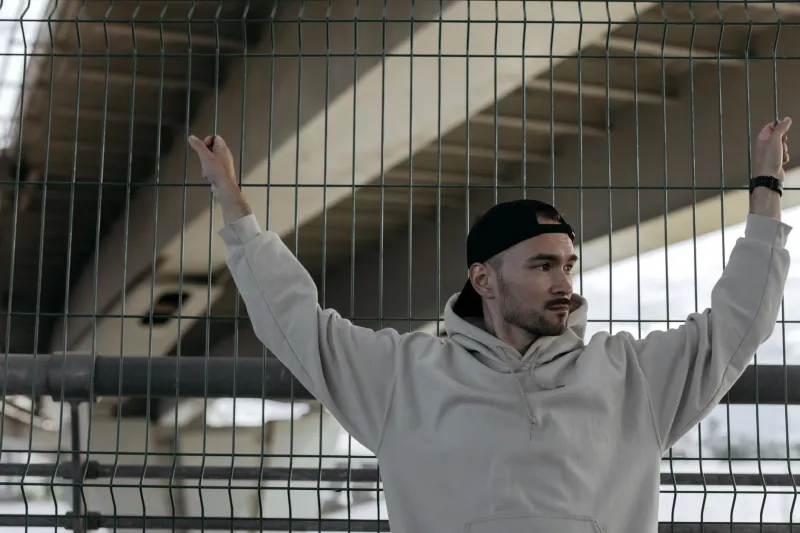
Ten Pieces, Infinite Fits: The Art of Dressing Hard When Your Wallet Says Otherwise
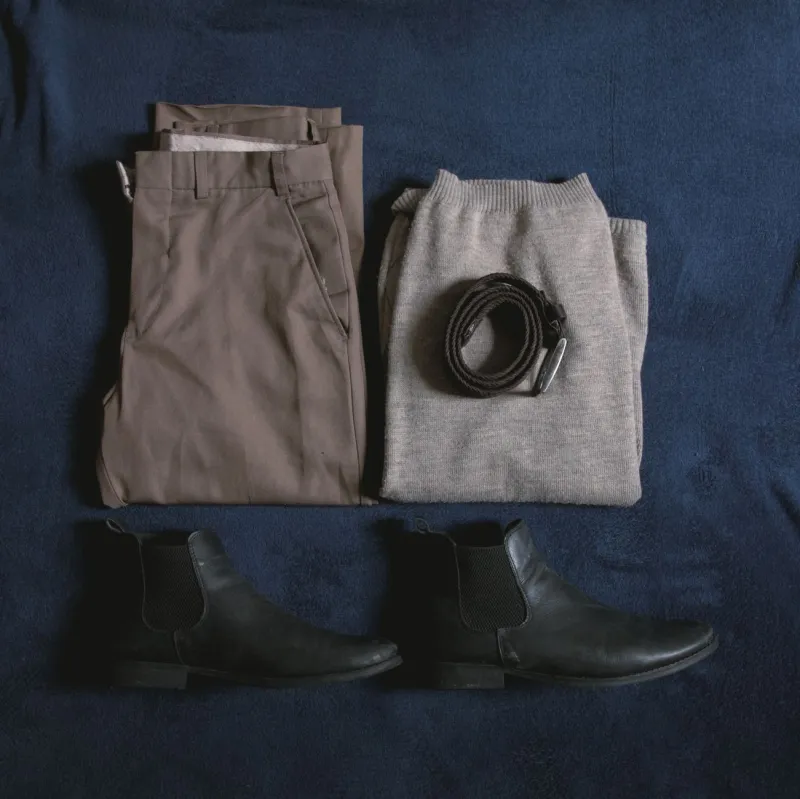
Let's get something straight right now — the size of your wardrobe has absolutely nothing to do with the strength of your style. Some of the most respected fits you'll ever see on the block come from people working with maybe a dozen pieces and a whole lot of intention. Constraint isn't the enemy. Sloppy thinking is.
If you've been telling yourself you'll dress better once you have more money, more pieces, more options — that's the trap talking. The truth is, learning to build a tight rotation is one of the most powerful style skills you can develop. And once you lock it in, nobody will ever know you're running the same core ten items on repeat.
Start With the Foundation, Not the Flash
Every strong rotation starts the same way — with pieces that do the heavy lifting before you even add anything interesting. That means two or three neutral-toned heavyweight tees (white, black, and either grey or an earth tone), a pair of dark straight-leg or slim joggers, one pair of well-kept jeans in a classic wash, and a solid hoodie that fits clean across the shoulders.
These aren't boring choices. They're infrastructure. Think of them the way a producer thinks about a beat — the baseline has to be tight before you start adding layers on top. When your foundational pieces are clean, fitted right, and kept in good condition, every outfit you build from them already starts at a seven out of ten before you even try.
One thing people sleep on: fit matters more than brand. A well-proportioned no-name tee will always look cleaner than an expensive piece you're swimming in. Know your measurements, know your silhouette, and buy accordingly.
The Layer Game Is Your Multiplier
Here's where a minimal closet starts doing math in your favor. Layering is how you turn eight outfits into twenty-five. One flannel shirt worn open over a tee reads completely differently than that same flannel buttoned up and tucked. A zip-up track jacket thrown over a hoodie changes the whole energy of a look. A lightweight puffer worn half-zipped with the hood out versus fully closed with the collar up — two different fits, one piece.
For a ten-to-fifteen piece rotation, you want at least two or three layering items that can function both as outerwear and as a top depending on the weather. An oversized denim jacket, a coach jacket, a crewneck sweatshirt in a mid-weight fabric — these pieces are the multipliers in your rotation. They're what let you wear the same base outfit on Monday and then make it look completely rebuilt by Thursday.
The key is making sure your layering pieces don't all live in the same color family as your basics. If all your tees are black and your jackets are black, you're not layering — you're just stacking. Introduce one or two contrast pieces. A washed-out olive jacket over a white tee. A cream crewneck over a black base. That visual contrast is what makes people think you planned the whole thing out.
Accessories Are Doing Half the Work
This is the most underestimated part of building a minimal rotation, full stop. A fitted cap, a beanie, a chain, a watch, even the right pair of socks peeking above your shoe — accessories are how you make the same outfit feel like a different outfit without changing a single clothing item.
For a tight budget rotation, invest in two or three accessories that you genuinely love and that work across most of your pieces. A clean silver chain sits well over both a white tee and a black hoodie. A structured cap in a neutral colorway pulls together a casual look and adds intention to something that might otherwise read as thrown together. A minimal leather belt on your jeans versus no belt at all changes the whole silhouette.
Shoes matter here too — probably more than anything else in the rotation. If you can only prioritize one splurge in a budget setup, let it be your footwear. One clean pair of low-top sneakers in a neutral colorway and one slightly more expressive option gives you all the range you need. Keep them clean. Dirty sneakers undercut every other effort you've made.
How to Actually Rotate Without Repeating Yourself
The reason most people feel like they have nothing to wear isn't that they have too few pieces — it's that they always reach for the same combinations out of habit. Breaking that pattern is what unlocks the real range of a minimal closet.
Try this: lay out all your pieces on the bed or floor at the start of the week and physically map out combinations you haven't tried. Swap the bottoms you'd normally pair with a certain top. Try a piece you usually wear as a mid-layer as your outer layer. Wear something you normally save for the weekend on a random Tuesday. The goal is to stop defaulting and start deciding.
Also — and this is something most people won't tell you — doing laundry more frequently actually makes a small wardrobe feel bigger. When your pieces are always clean and available, the rotation stays fresh. When half your closet is in a pile waiting to be washed, you're working with even less than you think.
Less Is a Flex, Not a Compromise
There's a reason capsule wardrobes have been a thing in high fashion for decades. Coco Chanel was talking about this in the mid-1900s. Minimalism in streetwear has its own long lineage — from early hip-hop's focus on a few clean, statement pieces to the pared-back aesthetic that defined a lot of '90s skate culture.
The people who dress with real authority aren't the ones with the most stuff. They're the ones who know exactly what they have, why they have it, and what to do with it. That kind of clarity is what makes a fit feel intentional instead of accidental.
You don't need to own everything. You need to own the right things and know how to move with them. Ten pieces, handled correctly, will take you further than a full closet you don't understand.
That's not a budget limitation. That's a skill set. And once you build it, it goes with you everywhere.