Zero Spend, Maximum Drip: Unlock the Hidden Potential Sitting in Your Closet
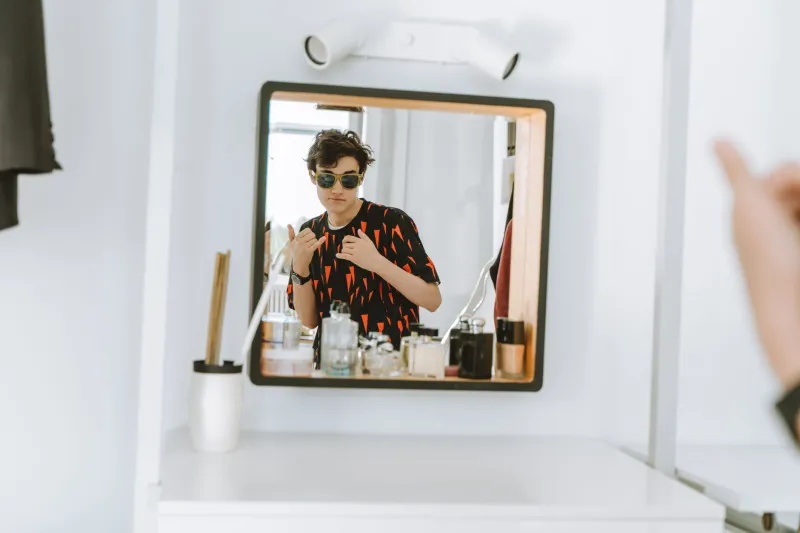
Let's be real for a second. Most people think looking good requires spending money. New season, new haul, new flex. But here's the thing — the hardest fits you've ever seen on the street, at a show, or in a cypher weren't necessarily the most expensive ones. They were the most intentional ones. Presentation beats price tags every single time, and once you understand that, your whole relationship with your wardrobe changes.
This isn't about making do with less. This is about understanding that what you already own has untapped potential you've been sleeping on. Let's get into it.
Your Closet Is a Goldmine You've Been Ignoring
Open your closet right now. Not to grab something quick before you head out — actually look at it. Chances are you've got pieces buried in the back that you wrote off because you couldn't figure out how to make them work, or because you wore them in a combination that felt off once and never revisited. That's not a wardrobe problem. That's a styling problem, and styling problems are fixable.
The first move is an audit. Pull everything out. Categorize by silhouette — oversized, fitted, structured, relaxed. You're not folding and putting back. You're mapping what you're working with. When you can see the full inventory laid out, you start seeing combinations you never considered when everything was crammed together.
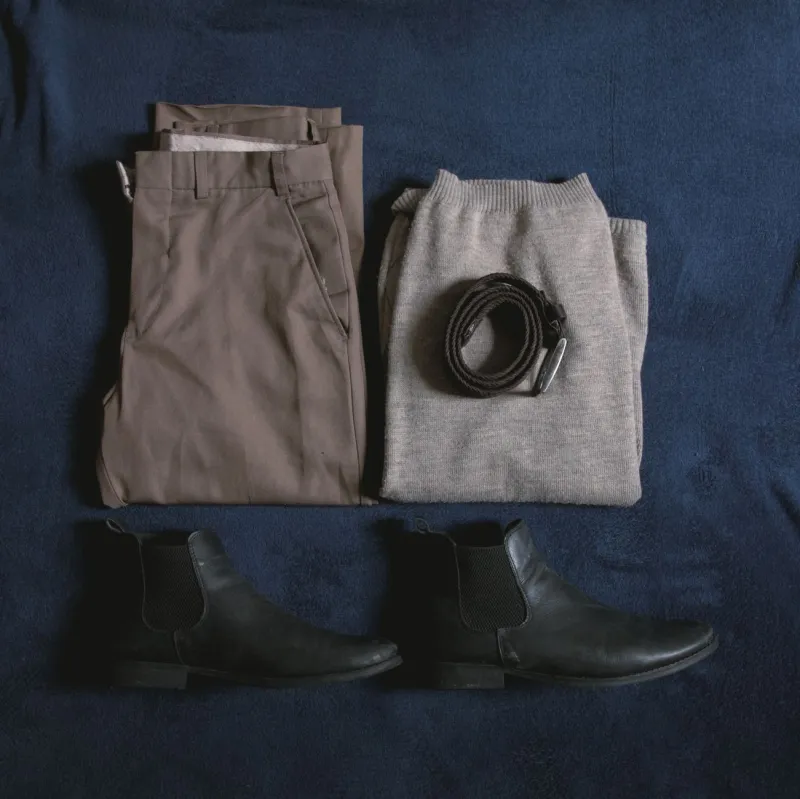
Basics are your foundation, and if you've got them, you've already won half the battle. A clean white tee, a solid black crewneck, a pair of neutral-toned pants, a versatile hoodie — these aren't boring pieces. They're blank canvases, and the way you style them is the art.
Color Theory Isn't Just for Art Class
Here's where a lot of people lose the plot. They grab whatever and throw it on without thinking about how the colors interact, and then they wonder why the fit feels off even though everything is technically clean.
Color theory is simple when you strip it down. Analogous colors — shades that sit next to each other on the color wheel — create outfits that feel cohesive and intentional without being matchy-matchy. Earth tones together, cool blues and greens together, warm reds and oranges together. These combinations read as deliberate even when they're effortless.
Neutral anchoring is another move that works every time. Build your base in neutrals — black, white, grey, beige, olive — and let one piece carry color or contrast. That one pop of color or unexpected texture becomes the focal point of the whole fit, and everything else supports it without competing. This is how you make a single statement piece hit harder than a whole outfit of loud gear.
Also worth knowing: tonal dressing — stacking different shades of the same color family — looks expensive almost automatically. A charcoal grey tee under a dark grey hoodie with black pants is clean, elevated, and costs absolutely nothing if you've already got those pieces.
Fit Is Everything — and We Mean Everything
You could be wearing a plain white tee and grey sweats, but if those pieces fit your body the right way, you're going to look better than someone draped in hype gear that doesn't sit right. Fit, in the literal sense of how clothing sits on your frame, is the single biggest variable in how put-together you look.
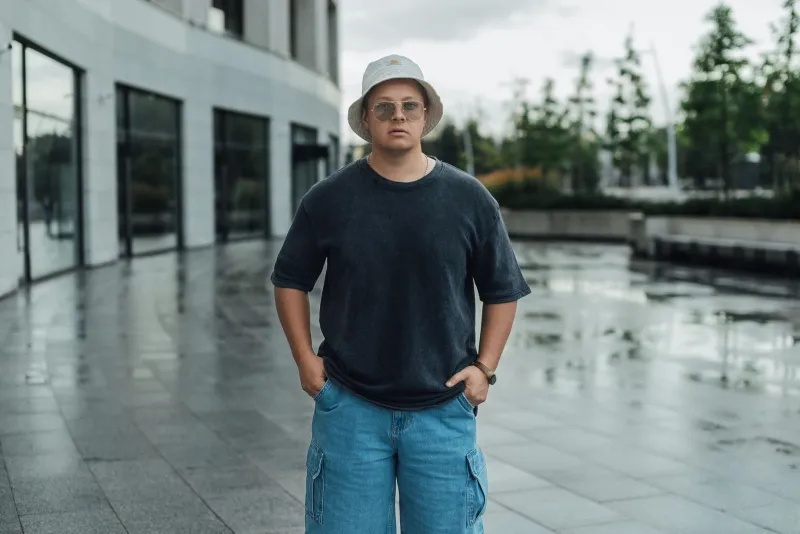
Oversized works — but oversized has rules. When you go big on top, balance it out with something that tapers or sits closer to the body below. Oversized tee with slim-fit joggers or straight-leg pants keeps the silhouette from looking shapeless. The opposite works too: fitted on top, relaxed on the bottom. What you're always chasing is visual balance, not just volume.
If something fits awkwardly — too boxy in the wrong places, too long, bunching weird — don't let it rot in the back of your closet. A simple tuck can transform a boxy shirt into a structured, intentional look. A French tuck (tucked in the front, loose in the back) adds shape without looking stiff. Rolling your sleeves changes the whole energy of a piece. These are free adjustments that take ten seconds and make a real difference.
Layering Is Your Secret Weapon
Layering is where styling gets interesting, and it's also where a lot of people either level up or fumble. Done right, layering creates depth, dimension, and the kind of complexity that makes people look at your fit twice.
The rule of thumb: contrast your layers in both weight and length. A lightweight long-sleeve under a shorter graphic tee creates an intentional peek of fabric at the hem that adds visual interest. An open flannel or overshirt over a fitted crewneck adds structure and a second layer of color without feeling heavy. A hoodie worn under a structured jacket — think a coach jacket or a denim piece — mixes athletic and structured in a way that's very street, very now.
Texture contrast in layers is just as important as color contrast. A smooth nylon jacket over a chunky-knit crewneck, or a washed-out denim piece over a jersey cotton tee — these combinations create tactile interest that makes an outfit feel curated even when it's pulled from basics.
Don't sleep on accessories as a layering tool either. A chain, a beanie, a cap, even the way you lace your sneakers — these details add finishing layers that complete the story your fit is telling.
The Psychology of Looking Like You Meant It
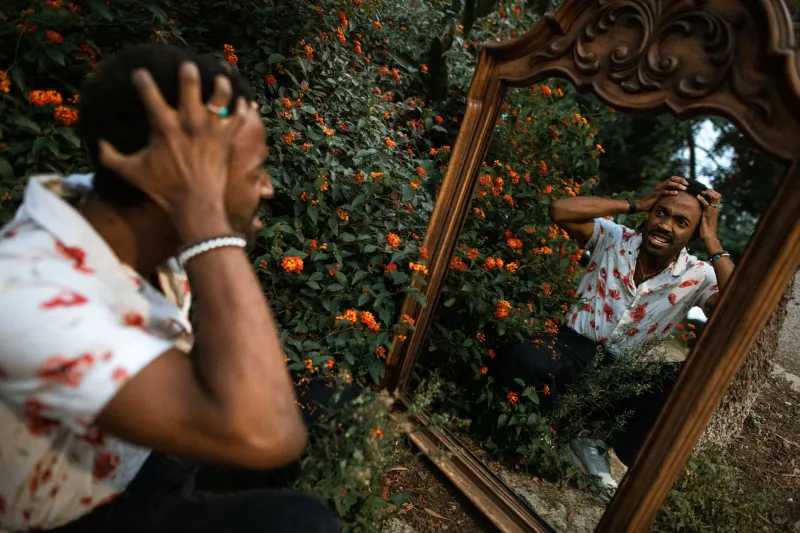
Here's the part that nobody talks about enough: confidence is a styling choice. The same fit worn by someone who looks uncertain and someone who walks like they own the room reads completely differently. Presentation is everything in streetwear — it always has been.
That's not just motivational talk. It's functional. When you put effort into understanding why your fit works — why the colors complement each other, why the silhouette is balanced, why the layers add depth — you carry that outfit differently. You're not hoping it looks good. You know it looks good, and that knowing shows up in how you move.
The culture was built on this. Early streetwear pioneers weren't rocking designer budgets. They were rocking creativity, intentionality, and the kind of confidence that comes from having a real point of view. That's the savage gear mentality — not what you spent, but how hard you went with what you had.
The Real Flex Is Mastery, Not Money
Anybody can spend their way into a decent fit. Not everybody can take a plain tee, a pair of thrifted pants, and a jacket from two seasons ago and make it look like they just stepped out of an editorial shoot. That skill — that eye — is worth more than any price tag.
So before the next drop has you reaching for your wallet, spend a week with your closet. Experiment with combinations you've never tried. Play with color, proportion, layering, and detail. You might find out that the best fit you've ever put together was sitting right there the whole time, waiting for you to figure it out.
Wear the streets. Own the game. And do it without spending a dime.