Ballers Turned Designers: How NBA Stars and Streetball Icons Are Building Their Own Fashion Empires
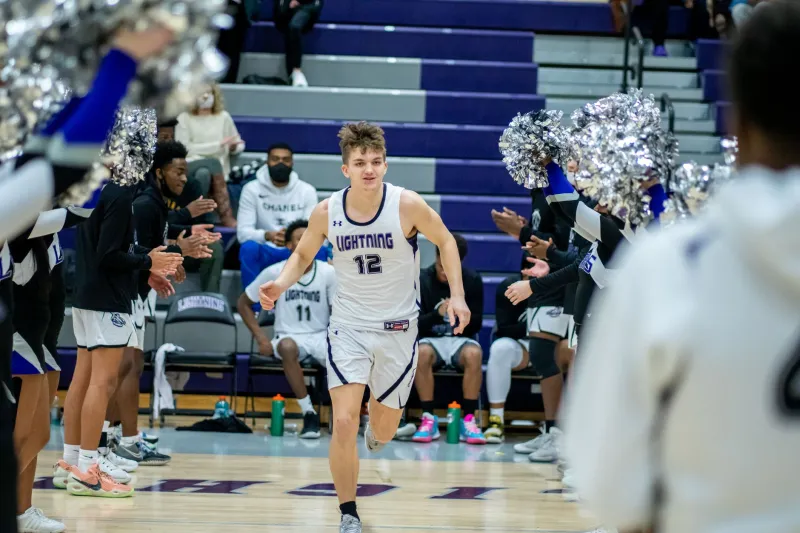
There's a moment before every NBA game that used to be pretty routine — players walking from the team bus into the arena, gym bag in hand, heads down. Now? That tunnel walk is appointment television. Cameras line up. Fans post clips before tip-off even happens. And the fits? They're doing more talking than any pregame interview ever could.
Basketball and fashion have always had a relationship. But in 2024, that relationship hit a completely different level. Athletes aren't just wearing clothes — they're building brands, directing creative visions, and pulling up to games in custom pieces that would look right at home on a Paris runway or a Harlem block party. The court is just where they work. The street is where they live.
The Tunnel Walk Changed Everything
Credit where it's due — the NBA's tunnel walk culture didn't happen overnight. It traces back to guys like Allen Iverson, who showed up to arenas in throwback jerseys and Timbs when everyone else was in a blazer. That was rebellion. That was authenticity. And it planted a seed that took two decades to fully bloom.
Fast forward to now, and players like Shai Gilgeous-Alexander, Anthony Edwards, and a wave of younger guards are treating every game night like a lookbook shoot. The difference from Iverson's era? These guys aren't just dressing themselves — they're working with stylists, collaborating with independent designers, and in some cases, funding their own labels entirely.
SGA's fits in particular have become a cultural talking point. The guy shows up in avant-garde silhouettes, layered textures, and color combinations that shouldn't work but absolutely do. He's not wearing what a brand told him to wear. He's curating a point of view. That's a designer's mindset in a point guard's body.
Breaking Free From the Endorsement Playbook
For decades, the athlete-fashion pipeline was simple: get drafted, sign with Nike or Adidas, wear what they send you, cash the check. That model isn't dead — but it's no longer the only move. A growing number of players, especially those coming up through street basketball circuits and independent leagues, are skipping the traditional endorsement route entirely and building from the ground up.
The reasons are practical as much as they are philosophical. Independent brands give athletes creative control they'd never get from a corporate deal. They keep more of the profit. And they get to speak directly to their community rather than through a marketing department that may not understand what that community actually wants.
Streetball culture has always operated this way. The And1 Mixtape era proved that playground legends could move product and build followings without ever setting foot in an NBA arena. That DNA — raw, unfiltered, community-first — is what today's independent athlete-designers are pulling from. They're not trying to be luxury brands. They're trying to be real.
Performance Wear Meets High Fashion: The New Hybrid
One of the most interesting things happening in 2024 is the genuine blurring of athletic performance wear and high-fashion streetwear. It's not just about wearing a jersey oversized or throwing a blazer over compression pants. Designers — including athletes who've crossed over — are engineering pieces that actually function for movement while looking like something you'd see in a Supreme drop.
Think moisture-wicking fabrics in heavyweight silhouettes. Reinforced stitching on pieces that look delicate. Sneaker-inspired colorways applied to outerwear. The technical DNA of athletic gear is being remixed into streetwear that performs as good as it looks. For a generation that grew up wearing hoodies to school, track pants to the mall, and sneakers everywhere, this isn't a contradiction. It's just Tuesday.
At Savage Gear, we've always believed that what you wear to the gym and what you wear to the block shouldn't require a costume change. The best fits bridge both worlds. That's exactly what the athlete-designer movement is building toward.
Youth Culture Is Paying Attention
Here's the real impact: when a 22-year-old hooper from Atlanta or a streetball legend from Rucker Park steps out in something they designed themselves, it hits different than a celebrity in a brand campaign. The kids watching see someone who looks like them, came from where they came from, and built something with their own hands. That's aspirational in a way no billboard can manufacture.
Trend forecasters have noted that youth consumers — particularly Gen Z — are increasingly drawn to brands with authentic origin stories. Not brands that claim authenticity in their marketing copy, but brands where the origin story is obvious and verifiable. An athlete who grew up broke, made it, and poured that experience into a clothing line? That's a story that sells itself.
The influence flows both ways, too. Street fashion shapes what players wear, and what players wear shapes what ends up on the streets. It's a feedback loop that moves fast and rewards the bold. The brands that win in this space aren't the ones with the biggest budgets. They're the ones with the clearest point of view.
What's Next
The athlete-as-designer movement isn't slowing down. If anything, it's just getting started. As social media continues to flatten the distance between athletes and their audiences, and as manufacturing tools make independent production more accessible, expect more hoopers — at every level — to step into the creative director role.
The tunnel walk will keep getting wilder. The independent drops will keep selling out. And the line between the court and the street will keep getting thinner until it disappears entirely.
That's not a fashion trend. That's a culture shift. And the game will never look the same.