Hype Is a Drug — and Gen Z Is Finally Checking Into Rehab
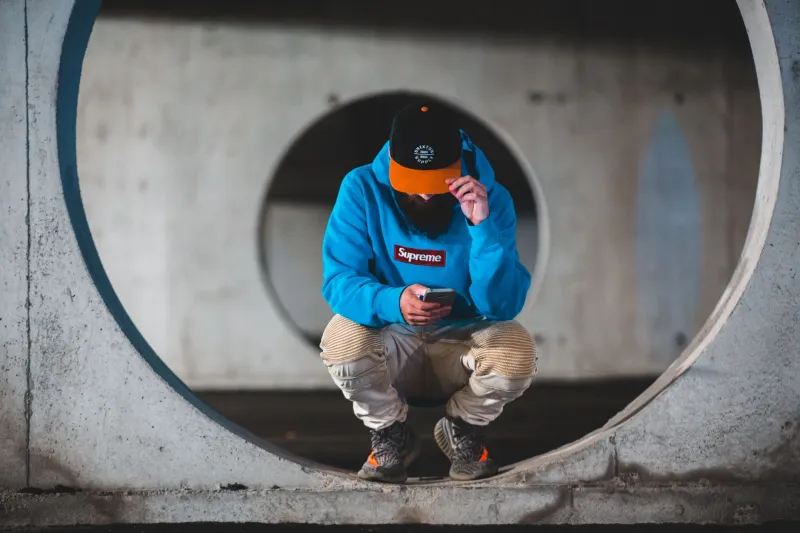
Remember when copping a limited drop felt like winning something? Like you'd beaten the system, outsmarted the bots, and walked away with a piece of something real? That feeling still exists — but it's getting harder and harder to find underneath all the noise.
Drop culture has been the engine of streetwear for the better part of a decade. Brands learned fast that scarcity sells, that a countdown timer can move more units than a billboard, and that a sold-out page is basically free advertising. But there's a cost to running that engine 24/7. And right now, a growing number of young consumers are starting to feel it in their bones.
Decision fatigue. Buyer's remorse. The hollow feeling of finally copping something you camped out for — digitally or literally — only to realize two weeks later that you don't even really want it anymore.
Something is shifting. And it's worth paying attention to.
The Anatomy of a Hype Cycle
Here's how it usually goes: A brand teases a collab or a silhouette on social media. The algorithm picks it up. Hype accounts amplify it. Resale speculation starts before the product even has a confirmed release date. By the time the drop actually happens, the conversation has been running so hot for so long that the actual purchase almost feels anticlimactic.
For a while, that tension — the buildup, the chase, the release — was genuinely exciting. It gamified fashion in a way that appealed to a generation raised on achievement unlocks and limited-time events. But games are supposed to have an end screen. Drop culture doesn't. There's always another release. Always another countdown. Always another thing you're supposed to want.
"It's designed to never let you feel satisfied," says one fashion psychology researcher who studies consumer behavior in youth markets. "The scarcity model works by keeping desire perpetually activated. But human psychology isn't built to sustain that level of anticipatory stress indefinitely. Eventually, people either burn out or they opt out."
Right now, a lot of Gen Z is doing both.
When the Checkout Screen Becomes the Enemy
Talk to anyone who's seriously engaged with drop culture over the past few years and you'll hear a version of the same story. The early excitement gradually gives way to something more compulsive — refreshing pages, setting alarms, joining Discord servers just to stay ahead of release info. It stops being fun and starts feeling like work.
One 22-year-old reseller from Atlanta put it bluntly: "I was spending more energy tracking drops than I was actually wearing the stuff I bought. My closet was full of things still in bags. I wasn't even a sneakerhead anymore — I was just a guy with a storage problem."
That disconnect between acquisition and enjoyment is a pattern researchers have been tracking across retail categories, but it's especially pronounced in streetwear because of how identity-driven the purchases are. You're not just buying a hoodie. You're buying membership in a moment, proof that you were there, that you understood what mattered before everyone else did.
But when those moments come every other week, they stop feeling like moments at all.
The Resale Market Isn't Helping
The secondary market has always been part of the ecosystem, but its current scale is doing something weird to the culture. When resale prices are baked into the conversation before a product even drops, it warps the whole thing. You're not buying because you love the piece — you're buying as a hedge, an investment, a flex that's also a financial instrument.
That's a lot of weight to put on a pair of sneakers.
And when the resale market softens — which it has, significantly, across multiple categories in the past 18 months — the whole premise collapses. Stuff that was supposed to hold value doesn't. Kids who bought in at peak hype are sitting on inventory that's worth less than what they paid. The game turned out to have worse odds than advertised.
"People are realizing that hype is just marketing dressed up as culture," says one brand insider who asked not to be named. "The labels that are going to survive the next five years are the ones building something real — actual quality, actual community, actual reason to care beyond the resale flip."
What Comes After the Crash
Here's the thing about burnout: it creates space. When people stop chasing every drop, they start making different choices. They slow down. They think about what they actually want to wear, not just what everyone else is scrambling to cop.
That shift is already showing up in how younger consumers are engaging with fashion. There's renewed interest in pieces that aren't tied to a specific release window — stuff with staying power, craftsmanship you can actually feel, brands that communicate something beyond "limited quantity available."
The thrift culture wave that's been building for years is part of this. So is the growing appetite for smaller labels that move on their own timeline and build relationships with their customers instead of manufacturing frenzy. When the hype machine feels hollow, authenticity starts to look extremely appealing.
For streetwear brands specifically, this is a moment of reckoning. The ones that leaned hardest into artificial scarcity and manufactured urgency are going to find that playbook wearing thin. The ones that built genuine identity — real design perspective, real community, real reasons to ride with them beyond the resale value — those are the brands that are going to matter on the other side of this.
The Exit Ramp Is Right There
Nobody's saying drop culture is dead. Limited releases still move. Collabs still generate buzz. The model isn't going anywhere entirely. But the stranglehold it had on youth fashion — the idea that you had to participate in every cycle or risk falling behind — that grip is loosening.
And honestly? That's not a bad thing.
The best streetwear has always been about self-expression, about finding your own lane and going hard in it. The hype machine, at its worst, turns that into a competition where someone else always controls the rules. Stepping back from that isn't losing — it's remembering what you actually came here for.
Wear what you want. Build your fit on your terms. The streets don't care what the resale price is. They care if you're bringing something real.
That's always been the game. The hype was just a detour.