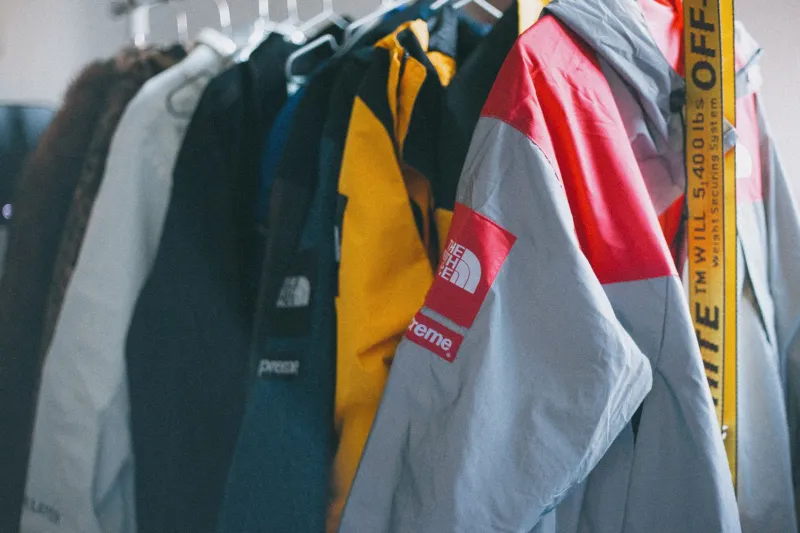
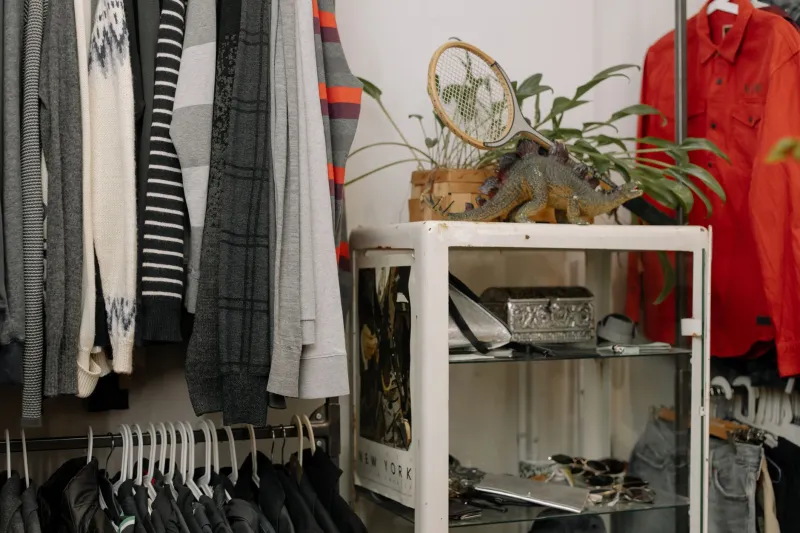
Logo Fatigue Is Real: How Underground Creators Are Eating Big Streetwear's Lunch
There was a time — not even that long ago — when copping a piece from a hyped streetwear brand felt like a rite of passage. You saved up, you waited in line, you posted the fit check, and the clout was automatic. The logo did all the talking.
That time is fading fast.
Across the US, a quiet but seismic shift is underway in how young people spend their clothing dollars. Gen Z — the generation that grew up watching YouTube tutorials, scrolling TikTok thrift hauls, and following indie designers on Instagram before those designers had 10,000 followers — is increasingly turning its back on premium streetwear labels. Not because the quality dropped. Not because the designs got worse. But because something changed in what the culture actually values.
The Price of Authenticity Just Got Cheaper
Talk to any 19-year-old in Atlanta, Chicago, or Los Angeles who's deep in the streetwear scene right now and you'll hear a version of the same story. The big brands feel corporate. They feel like they're selling you a lifestyle that was built by people who look nothing like you, for a price tag that assumes you've got money to burn.
Meanwhile, the kid down the street — or the one with 8,000 followers on Instagram — is making custom pieces out of their bedroom that actually have a story behind them. That story matters now more than any co-sign ever could.
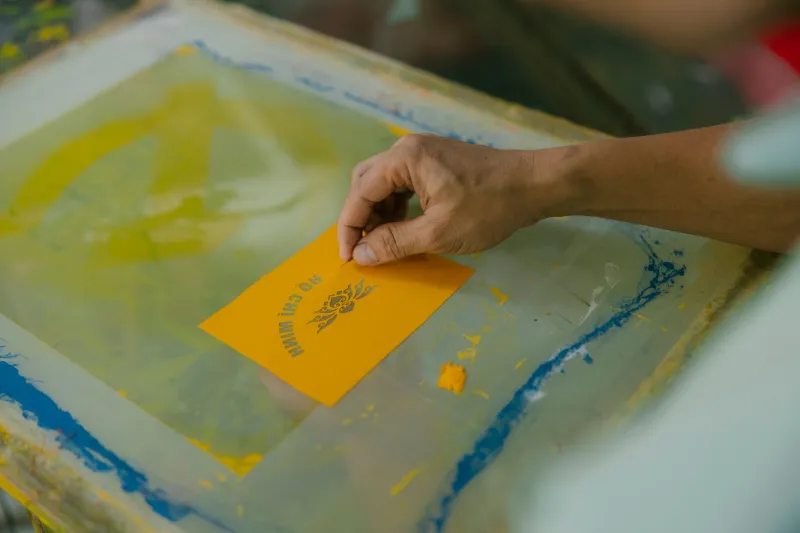
Emerging designers working out of cities like Houston, Detroit, and Philadelphia have been vocal about the opening they've found in the market. Independent creators who started by customizing thrifted pieces or hand-printing runs of 30 T-shirts are now building genuine communities around their work. Their drops sell out. Their customers feel like insiders, not consumers.
The economics are hard to ignore. A limited run hoodie from an underground brand might run you $65 to $90. A comparable piece — in terms of actual construction and materials — from a premium streetwear label could cost three to five times that. Gen Z, a generation dealing with student debt, a brutal housing market, and an economy that hasn't exactly rolled out the welcome mat, is doing the math and making a different call.
Storytelling Is the New Status Symbol
Here's what the big labels got wrong: they assumed that as long as the logo stayed desirable, the customer would follow. What they missed is that Gen Z doesn't just want to wear something cool — they want to wear something that means something. The story behind the piece has become part of the product itself.
Independent creators understand this instinctively. When a designer posts a 60-second video explaining why they chose a specific graphic, or how a particular colorway connects to their neighborhood, or what inspired the cut of a jacket — that context becomes part of the garment. You're not just buying a jacket. You're buying into a worldview.
Large streetwear corporations struggle to replicate that kind of intimacy. By the time a concept moves through design committees, licensing deals, and global supply chains, the rawness that made streetwear compelling in the first place has been sanded down. What's left is a polished product that looks right but feels hollow.
Consumer behavior data backs this up. Studies tracking Gen Z spending habits in the apparel sector show a consistent uptick in purchases from small, independent brands — particularly those with a strong social media presence built on transparency and creator personality. The brands winning right now aren't necessarily the ones with the biggest budgets. They're the ones with the most compelling voices.
The DIY Glow-Up Is a Business Model Now
What started as bedroom customization projects and Depop side hustles has evolved into something much more structured. Across the country, young designers are treating their indie labels with real business discipline — building email lists, launching seasonal collections, collaborating with other small creators to cross-pollinate audiences.
The tools available today make it genuinely possible to compete. Print-on-demand platforms, direct-to-consumer shipping solutions, and social media algorithms that can amplify a well-shot fit photo to hundreds of thousands of people overnight — all of this has leveled a playing field that used to be brutally tilted toward whoever had the biggest marketing budget.
This doesn't mean the big players are going anywhere. Premium streetwear brands still move serious volume, still command cultural moments, still have the infrastructure to execute on a scale that a one-person operation simply can't match. But the monopoly on cool? That's been broken wide open.
What the Big Brands Are Getting Wrong
The response from established streetwear labels has been predictable and, honestly, kind of telling. More collabs. Bigger celebrity co-signs. Louder limited drops designed to manufacture urgency. It's a playbook built for a consumer who responds to hype and scarcity — and that consumer is becoming a smaller slice of the pie.
The brands that are actually holding ground with Gen Z are the ones willing to get uncomfortable. Smaller capsule collections. More direct engagement with the community. Transparent conversations about pricing, production, and brand values. Basically, acting less like a corporation and more like the independent creators who are eating their lunch.
Some have started investing in emerging designers through incubator programs and mentorship initiatives — a move that's smart both strategically and symbolically. Aligning with underground talent signals that you understand where the culture is actually moving, not just where it's been.
The Streets Are Rewriting the Rules
At its core, streetwear was never supposed to be exclusive in the gatekeeping, financial sense. It was born out of communities that were making something out of nothing — screen-printing in garages, cutting and sewing in kitchens, selling out of backpacks at skate parks. The DIY ethos was always baked in.
What's happening now feels less like a disruption and more like a correction. The culture is pulling back toward its roots. Originality is being rewarded over brand recognition. The grind of building something from scratch — the story, the hustle, the realness of it — carries more weight than a logo that every mall in America has been selling for the last five years.
Gen Z isn't abandoning streetwear. They're reclaiming it.
And if the big brands want to stay relevant, they're going to have to earn that back — one genuine moment at a time.