Likes Don't Lie: How the Fit Check Became Fashion's Most Powerful Verdict
There was a time when fashion gatekeeping was a full-time job held by a very specific group of people. Editors. Stylists. Brand executives with corner offices and opinions that could make or break a designer's entire season. That era isn't just fading — it's already gone. What replaced it is louder, faster, and a whole lot more democratic.
Welcome to the fit check economy, where clout is currency, peer approval is the new press coverage, and a 15-second TikTok clip can move more product than a six-figure ad campaign ever dreamed of.
The Mirror Turned Outward
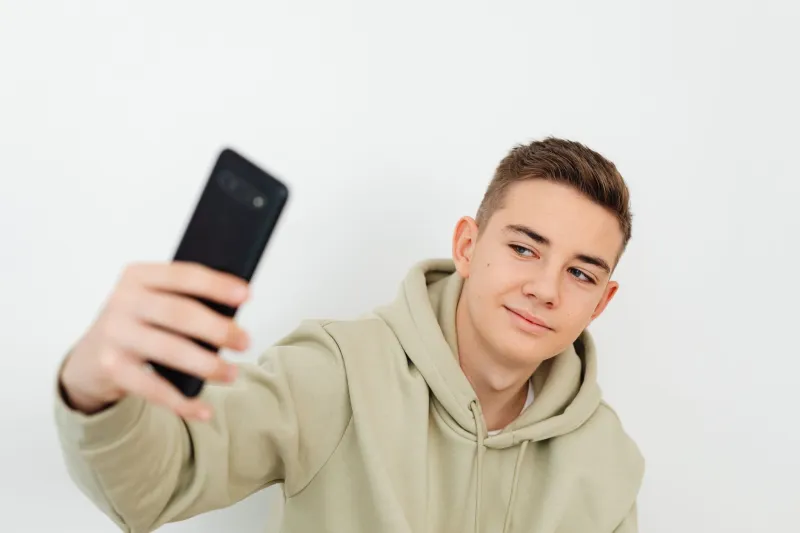
A fit check, at its core, is simple: you put together an outfit, you show it off, and you let the internet decide. But don't let the simplicity fool you. What's actually happening underneath that ritual is something way more layered.
When someone posts a fit check on TikTok or drops a mirror selfie on Instagram, they're not just showing clothes. They're presenting an identity. They're saying this is who I am, this is the lane I'm in, this is how I want to be seen. And the response — the comments, the saves, the shares — functions as real-time social feedback that shapes future choices. What to buy next. What to keep. What to quietly retire to the back of the closet.
Psychologists call this social validation reinforcement. The rest of us just call it wanting people to say your fit goes hard.
Either way, it's changed how an entire generation interacts with clothing.
TikTok, Instagram, BeReal — Three Platforms, Three Different Flavors of Flex
Not every platform hits the same way when it comes to fashion content, and understanding the difference matters.
TikTok is the engine room. It's where trends ignite and spread faster than any trend forecaster can track. The "get ready with me" format, the outfit-of-the-day montage, the thrift haul reveal — these aren't just content types. They're cultural rituals that millions of young people participate in daily. The algorithm doesn't care if you have 200 followers or 2 million. If the content connects, it travels. That's huge.
Instagram is where the aesthetic gets locked in. It's more curated, more intentional. The grid still matters to a lot of creators, and the Reels format has kept it competitive. Instagram is where brands live, but it's also where micro-influencers have built entire personal brands around their style alone — no PR team required.
BeReal, the platform that made "authenticity" its whole personality, pushed back against the polished highlight-reel culture and asked people to just... show up as they are. And even there, fashion found a way in. Because even unfiltered, people care about what they're wearing when that two-minute notification hits.
Together, these platforms form an ecosystem where fashion is being created, validated, and discarded in real time — every single day.
The Micro-Influencer Takeover
Here's something the big brands are still wrapping their heads around: the person with 8,000 followers who's obsessed with streetwear and posts consistently might be more valuable to a label than a celebrity with 8 million.
Why? Because trust is the actual currency here, not reach.
Micro-influencers — typically defined as creators with anywhere from 1,000 to 100,000 followers — tend to have tighter, more engaged communities. Their audience actually knows them, or at least feels like they do. When someone you've been following for two years says a certain hoodie is worth every penny, that carries weight in a way that a sponsored post from a pop star simply doesn't.
Gen Z especially has finely tuned radar for inauthenticity. They grew up online. They know when someone is being paid to hype something versus when someone genuinely loves what they're wearing. And they respond accordingly.
This is why the fit check economy rewards realness over reach. Getting cosigned by five people in your actual scene can mean more than a billboard in Times Square.
Peer Approval Is the New Press Release
Think about how a kid in Chicago or Atlanta or Phoenix used to find out what was cool. Maybe they watched music videos. Maybe they flipped through a magazine at the barbershop. Maybe they just paid attention to what the most respected person in their school was wearing.
That last one? That's still happening. It's just moved online and scaled up.
The fit check is essentially a digitized version of walking into school in a fresh fit and waiting to see who notices. The stakes feel the same. The social dynamics are identical. But now, instead of a hallway audience of a few hundred, you've got potentially thousands of people weighing in — and those reactions carry real consequences for what gets purchased next.
Brands that figured this out early started building products for the fit check moment. Pieces that photograph well. Details that reward a close look. Colorways that pop on a screen. It's not accidental. It's strategy.
What This Means for Streetwear Specifically
Streetfashion has always been community-driven. That's literally its origin story — born in skate parks, basketball courts, hip-hop cyphers, and block parties. The idea that the culture validates the product, not the other way around, isn't new. Social media just turbocharged it.
For a brand like Savage Gear, this shift isn't a threat — it's the whole point. We've always believed the streets set the tone. What social media did was give the streets a megaphone. Now when something goes off in the culture, the whole world sees it in hours, not months.
That means the pressure is on to create gear that actually deserves to be checked. Pieces that earn the post. Fits that hold up under the scrutiny of a comment section full of people who know exactly what they're looking at.
The Psychology Behind the Post
Let's go one level deeper for a second. Why does the fit check resonate so deeply with young people in the first place?
Part of it is identity formation — adolescence and early adulthood are already the phases of life where people are figuring out who they are, and clothing has always been one of the primary tools for that. Social media just made the process visible and interactive.
Part of it is community. Fit checks create conversation. They invite people in. Someone comments with a fire emoji, someone else asks where the jacket is from, someone else shares their own take on the look. That's connection, and connection is something people are hungry for.
And part of it, honestly, is just that it's fun. Styling an outfit, capturing it right, and putting it out there — there's a creative satisfaction to that process that's easy to underestimate.
The Bottom Line
The fit check economy isn't a trend. It's a structural shift in how fashion works, who it works for, and who gets to decide what's worth wearing. The gatekeepers didn't just lose their keys — the gates came down entirely.
Power now belongs to the people actually wearing the clothes. To the creators building communities around their taste. To the comment sections and the saves and the "where'd you get that" DMs.
If your fit can survive the scroll — if it earns that second look, that share, that genuine reaction — then it's doing exactly what it's supposed to do.
Wear the streets. Own the game. And yeah, post the fit check.