Second-Hand, First Choice: How Gen Z Turned the Resale Market Into a Power Move Against Big Brands
There's a certain kind of flex that doesn't come in a shopping bag. It doesn't arrive in tissue paper, it doesn't have a receipt, and it definitely didn't come off a rack at the mall. It came from a seller in Portland who copped it three years ago, wore it twice, and listed it on Grailed with a story attached. That flex? That's the resale game — and right now, it's running circles around traditional retail.
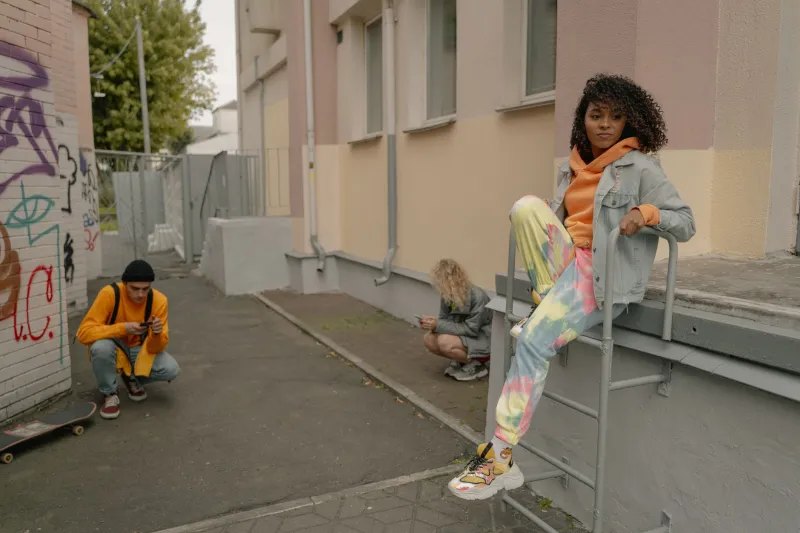
Gen Z didn't stumble into the secondary market by accident. They built it into something the fashion industry never saw coming: a full-scale power shift where young buyers and sellers are the ones deciding what's worth money, what's worth wearing, and what's worth clout.
The Market That Ate the Mall
Platforms like Depop, Grailed, StockX, and GOAT have gone from niche corners of the internet to genuine fashion institutions. StockX alone processed over $2 billion in transactions in a single year. Depop — which skews heavily toward Gen Z users — was acquired by Etsy for $1.6 billion back in 2021. These aren't garage sales. These are ecosystems.
What makes them tick isn't just the deals — it's the dynamic. On StockX, sneakers trade like stocks, with real-time pricing that responds to demand, cultural moments, and hype cycles. Drop a collab on a Tuesday, and by Thursday the secondary market has already told you what it's actually worth. No brand committee, no marketing deck. Just buyers and sellers doing the math in real time.
That kind of transparency is genuinely threatening to brands that have spent decades carefully controlling perceived value through scarcity and storytelling. When the market can immediately price-correct a hyped release, the illusion of brand-dictated worth starts to crack.
Why Pre-Owned Hits Different
Here's the thing that older generations don't fully get: for a lot of young consumers, a piece that's already been out in the world feels more authentic than something pulled fresh off a store shelf. There's a psychology to it that's hard to explain until you've lived it.
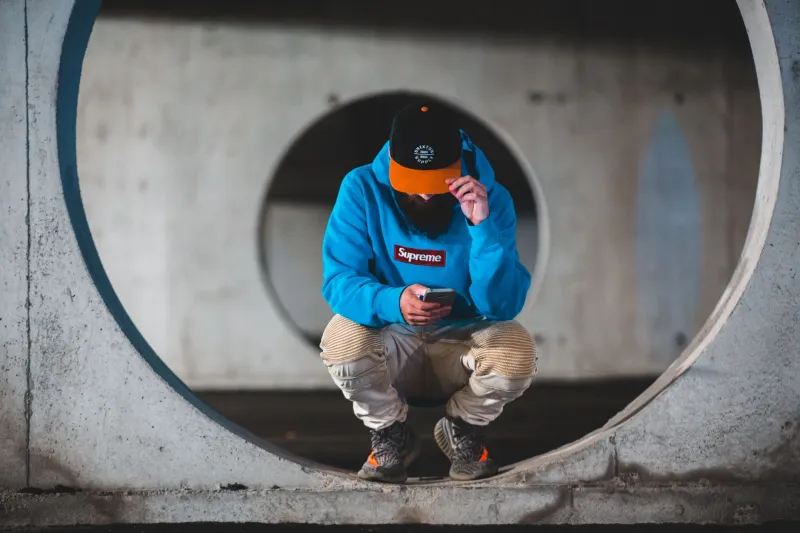
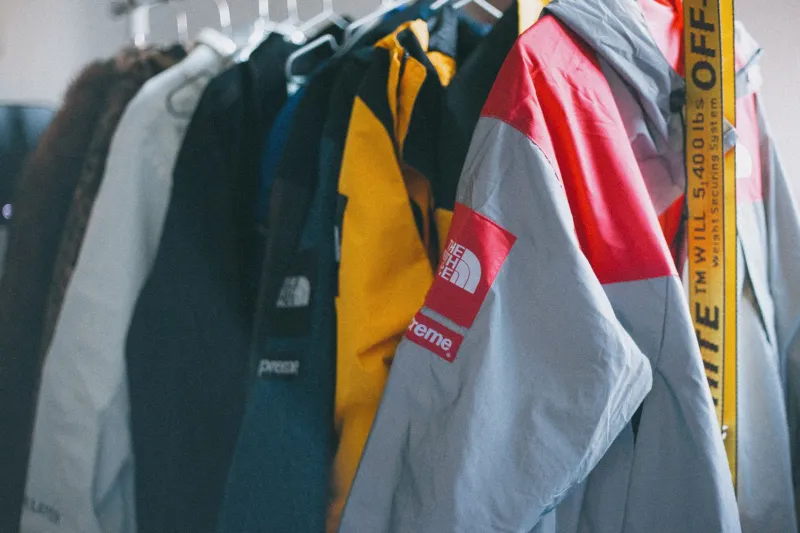
When you buy a vintage Supreme box logo or a deadstock pair of Jordan 4s from a verified seller on Grailed, you're not just buying clothing. You're buying provenance. You're buying the fact that someone else recognized the value before the algorithm told them to. There's a vetting process baked into resale culture — the community authenticates, rates, and vouches in ways that a brand's own retail experience rarely replicates.
Depop takes this even further by leaning into the seller's personality. You're not buying from a faceless corporation; you're buying from a 22-year-old in Atlanta who has taste you trust. That personal connection turns a transaction into something closer to a cultural co-sign.
Fresh-off-the-rack doesn't carry that weight. It just carries a price tag.
Flipping the Script on Exclusivity
Big brands built their entire mystique on scarcity. Limited drops, invite-only releases, regional exclusives — the whole playbook was designed to make you feel like you were missing out unless you played by their rules. But Gen Z figured out the cheat code.
If you couldn't cop the Nike x Travis Scott Air Max 1 at retail, no problem — you just go find it on GOAT. Yeah, you might pay a premium, but you're also opting out of the brand's manufactured frenzy. You're engaging on your own terms, at your own pace, through a marketplace that doesn't care about drop day theater.
And for the sellers? Flipping is a legitimate hustle. There's a whole generation of young entrepreneurs who've built real income streams by mastering the resale game — copping limited pieces at retail, holding them while demand builds, and moving them at the right moment. That's not exploitation; that's market literacy. That's understanding supply and demand better than the brands themselves sometimes do.
Legacy Brands Are Scrambling to Catch Up
The fashion industry isn't sleeping on this shift — it just doesn't know how to respond without undermining its own model. Some brands have tried to launch their own resale programs. Levi's rolled out a secondhand platform. Patagonia has been in the worn-wear game for years. Even luxury houses are experimenting with authenticated resale.
But there's an inherent awkwardness when a brand tries to monetize the secondary market for its own stuff. Part of what makes resale culture feel authentic is that it exists outside the brand's control. The moment Nike starts running its own resale storefront, it loses the rebellious edge that makes the secondary market feel like a counter-culture move in the first place.
Other brands are rethinking their exclusivity strategies entirely. If a drop is going to hit StockX at 3x retail within hours anyway, what's the point of the artificial scarcity? Some labels are experimenting with higher production runs to suppress resale markups. Others are going the opposite direction, leaning even harder into ultra-limited drops to keep the secondary market buzzing as free marketing.
Neither approach is a clean answer. The resale economy has complicated the game in ways that don't have easy solutions.
The Culture of the Cop
What often gets lost in the business analysis is how deeply social all of this is. The resale game isn't just transactional — it's conversational. Posting a grail you finally tracked down on Grailed, showing off a Depop haul that cost you $60 but looks like it cost $600, flexing a pair of deadstock joints that haven't been in circulation for a decade — these are all cultural acts. They're statements about taste, hustle, and identity.
In streetwear and youth fashion, the story behind what you're wearing matters almost as much as the piece itself. And resale culture is one of the richest sources of those stories. Every pre-owned piece carries a history. Every seller interaction is a micro-community moment. Every successful flip is a W that proves you understand the game better than the brands trying to run it.
The Real Flex
At the end of the day, what Gen Z has done with the resale market is something pretty savage: they took the tools the fashion industry built to create exclusivity and turned them into a system that runs on community authentication instead of corporate gatekeeping. They made second-hand feel premium. They made flipping feel like finance. They made buying used feel more legitimate than buying new.
That's not just a shopping habit. That's a whole different relationship with consumption — one that's smarter, more skeptical, and way harder for legacy brands to manipulate.
The retail price tag used to be the final word on what something was worth. Not anymore. The streets set the price now. And the streets don't answer to anybody's marketing department.