The Camera Lies: What Streetwear Collabs Actually Look Like Off the Grid
You've been there. A collab drops, the posts start flooding your feed, and every single shot looks like a cinematic short film. The hoodie hits different. The colorway pops. The silhouette looks architectural. You tap "buy" before your brain even catches up with your thumbs.
Then the package shows up. You put it on. You look in the mirror.
And it's... fine. Maybe even good. But it's definitely not what you saw on Instagram.
You're not imagining it. The gap between how streetwear collabs look on social media and how they actually wear in real life is real, it's intentional, and it's worth talking about honestly.
The Studio Is Doing the Heavy Lifting
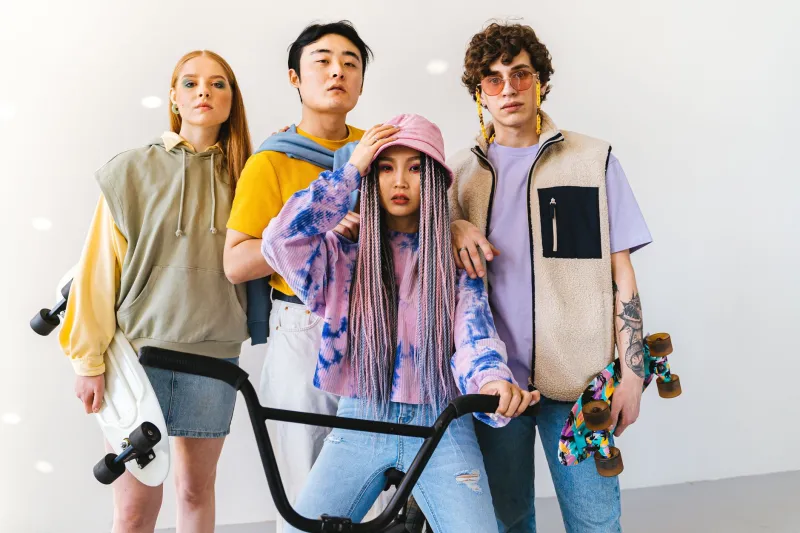
Here's the thing nobody wants to say out loud: most of those fire fit pics are less about the clothes and more about the production behind them. We're talking controlled lighting setups that eliminate shadows and make fabric textures pop in ways natural sunlight never will. We're talking photographers shooting from angles specifically chosen to elongate proportions and minimize bulk. A hoodie that photographs as sleek and structured? Might actually run boxy and stiff in person — and that's not a flaw, it's just physics.
Influencer shoots for major collab drops often have stylists on set. The fit you're admiring has been pinned, tucked, clipped, and tailored to within an inch of its life. That "effortless" drape didn't happen by accident. Someone spent forty-five minutes making it look like it did.
This isn't a conspiracy. It's just marketing. But when you're spending $180 on a graphic tee from a hyped collab, you deserve to know what you're actually working with.
Color Grading Is a Whole Genre Now
Beyond the physical staging, there's the post-production layer that most people scroll past without thinking twice. Color grading in streetwear content has become its own art form. Saturation gets cranked. Highlights get lifted. That slightly washed-out olive colorway? It's been punched up to look rich and deep. That "vintage white" tee is probably closer to cream or off-yellow in your hands, not the clean ivory it looked like on screen.
Phone cameras don't help either. Modern flagship phones apply automatic beauty processing that sharpens edges, deepens contrast, and smooths out fabric wrinkles before you even open a filter. Your mirror reflects reality. Your phone's camera is already editing.
If you've ever bought something based on a product photo and felt let down by the actual colorway, this is why. The fix isn't to stop buying — it's to look for unfiltered customer photos, sizing community threads, and honest reviews before you commit.
The Fit Model Effect
Collabs get shot on people who are specifically chosen because clothes photograph well on their frames. That's not shade — it's just the reality of fashion content. A six-foot-two guy with a lean athletic build is going to make an oversized drop-shoulder tee look intentional and cool. On someone five-nine with a broader chest? The same shirt might just look like it doesn't fit.
This is where understanding your own body and how proportions work becomes your actual superpower. Streetwear is built around volume and silhouette, but those elements only land when they're balanced. If you're shorter, cropped cuts and tapered bottoms can replicate that editorial look without drowning your frame. If you're bigger built, leaning into structured pieces with defined shoulders gives you that same commanding presence the fit model was projecting.
The goal isn't to look like the influencer. The goal is to make the piece look like you meant to wear it.
How to Actually Make Your Collab Pieces Work
Okay, enough deconstruction. Let's talk solutions.
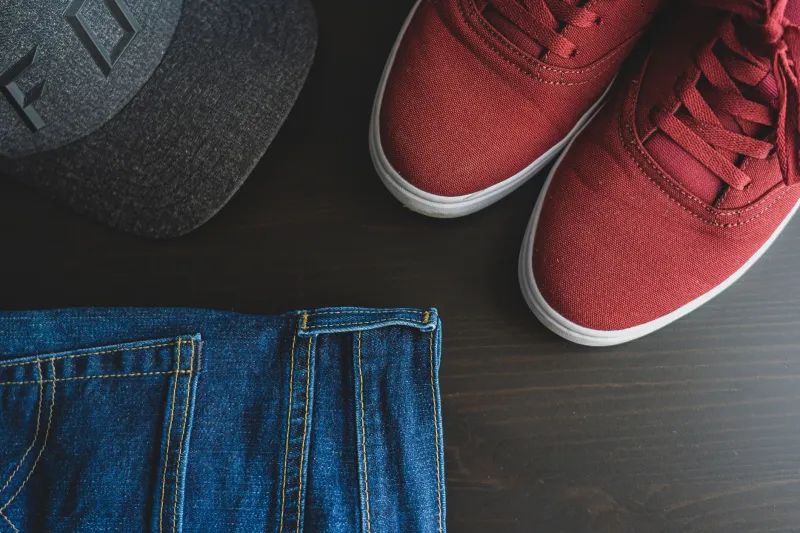
Anchor the look with your bottoms. Most collab drama happens on top — the hoodie, the tee, the jacket. Give those pieces room to breathe by keeping your lower half clean and intentional. Slim straight denim, joggers with a tapered ankle, or clean athletic shorts depending on the season. Don't let two statement pieces fight each other.
Lighting is free. You can't replicate a studio setup, but you can find good natural light. Golden hour — that window just after sunrise or before sunset — is genuinely flattering on almost every fabric and colorway. If you're trying to capture your own fit, step outside. A window works too. Overhead fluorescent lighting is the enemy of streetwear.
Style for movement, not for the photo. The best fits are the ones that hold up when you're actually moving through your day. If a piece only looks right when you're standing perfectly still at a specific angle, it's not a wearable fit — it's a costume. Try on your collab pieces and actually move in them. Sit down. Walk around. See what shifts.
Size up intentionally, not randomly. A lot of collab pieces are designed to be worn oversized, but there's a difference between intentional oversize and just wearing something too big. Know the difference by checking the brand's intended fit notes and looking at how the piece is supposed to sit on the shoulder. Shoulder seams dropping past your actual shoulder joint usually means you've gone too far.
Accessories close the gap. Sometimes a piece that looks flat on its own comes alive with the right additions. A fitted cap, the right sneaker, a chain or wristband — these details are what stylists use to elevate a shot, and they're available to you too. Don't sleep on accessories as the bridge between "this is fine" and "this actually goes."
Manage the Hype, Keep the Love
None of this means you should stop copping collabs or that the pieces aren't worth it. A well-executed collab can bring together two creative visions in a way that produces something genuinely special. But going in with realistic expectations means you won't be disappointed, and you'll actually put in the work to style the piece properly instead of letting it sit in the back of your closet.
The brands making these drops aren't lying to you — they're just showing you the best possible version. Your job is to find your best possible version of the same piece.
Wear it your way. That's always been the point.